
Shopping Bag Machines
Shopping bag square bottom making machine | Navona
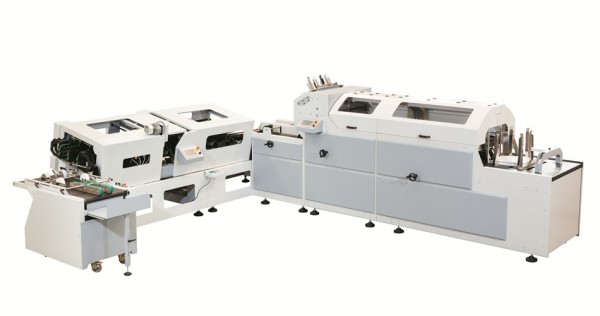
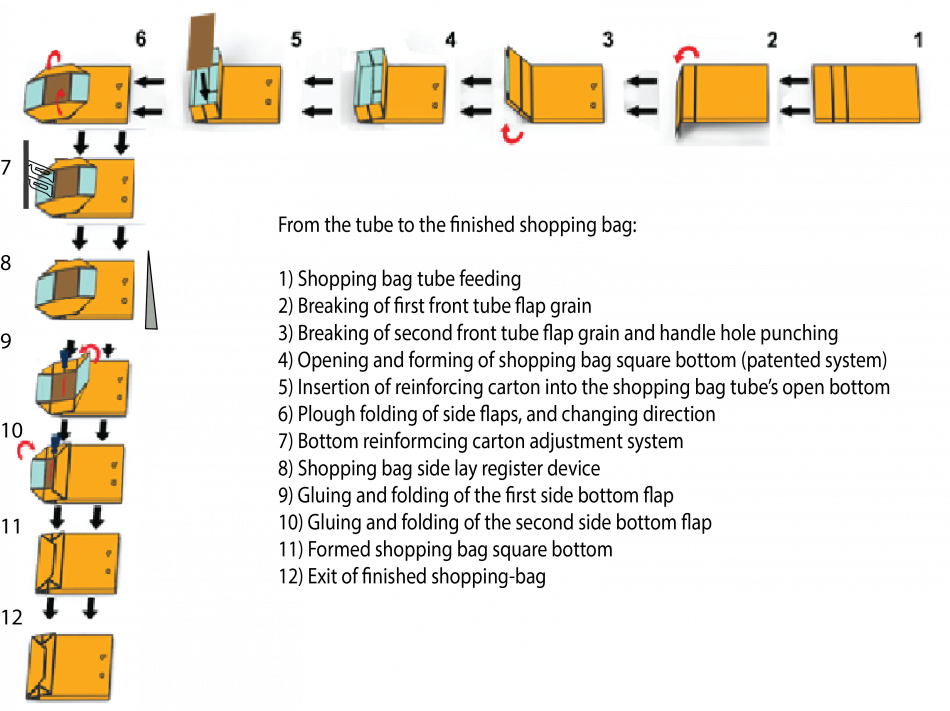
This automatic shopping bag making machine starts from the shopping bag tube. Than, the machine to make shopping bags opens and forms the square bottom (patented system by Macari-Fidia Macchine Grafiche), inserts the reinforcing carton on the bottom, folds and glues the bottom, and finally makes the holes on the handles.
Our bags making machines are suitable for short, medium and long run works. We can make office envelopes, courier envelopes, as well as central seam envelopes and envelopes with capacity.
Machine composed of
- Tube feeder with directional and launching system of the shopping bag tube
- Square bottom forming station (patented system) with inserter to position the reinforcing carton
- 90° cross unit to close the shopping bags square bottom
- Gluing system with two applicators
- Punched unit to make the handle holes
- Delivery table
For further inquires or questions you may use the Contact Us or visit our YouTube channel. We look forward to hear from you.
Possible Jobs
Specifications
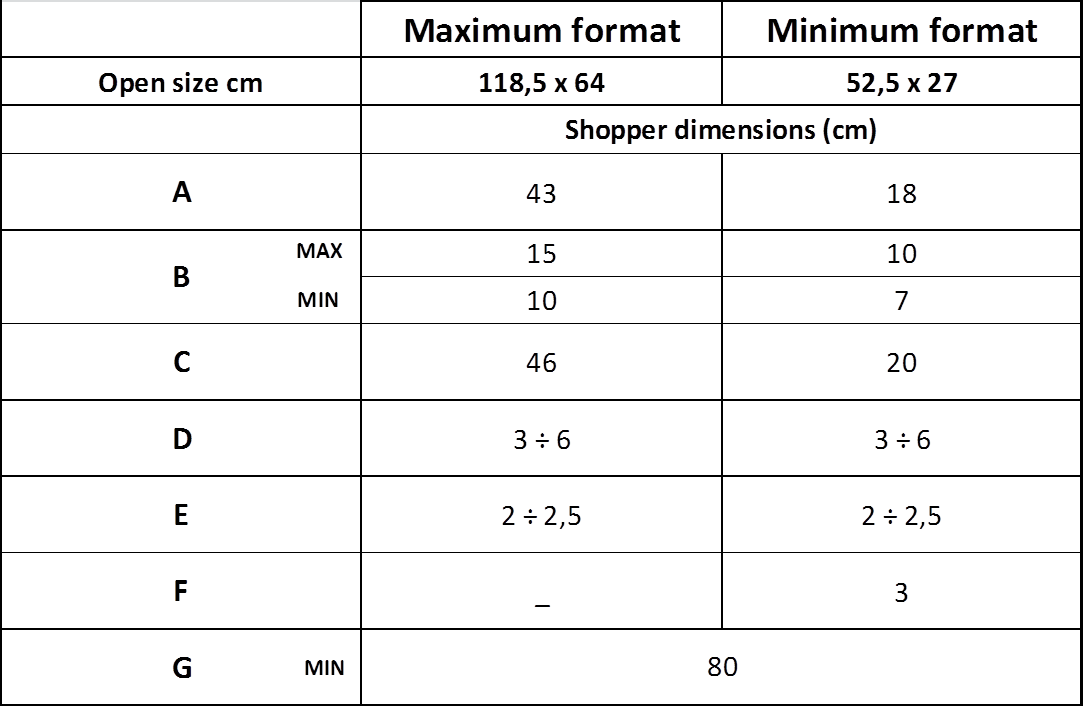
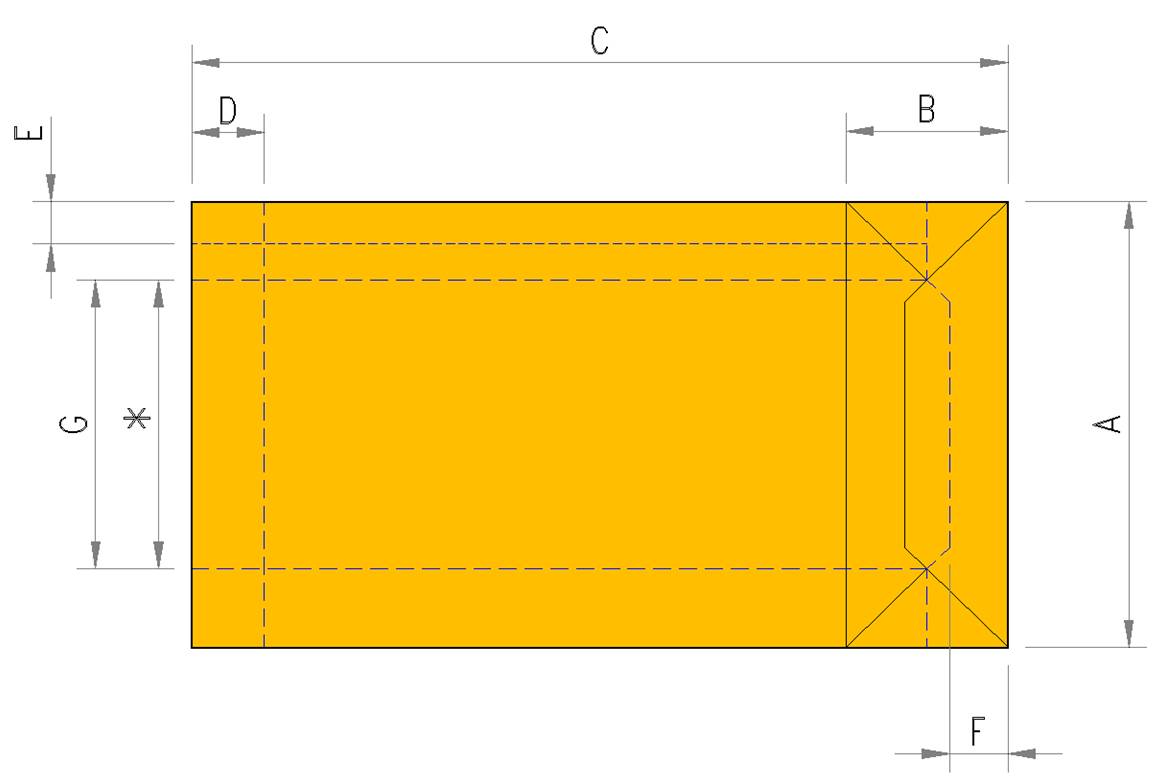
- Maximum tube format: 500 x 540 mm (with maximum gussets 7+7 cm)
- Minimum tube format: 170 x 225 mm (with minimum gussets 3+3 cm)
- Feeder loading capacity: 200 mm
- Reinforcing cartons grammage: from 200 to 500 gr
- Paper weight (shopper formats): from 150 to 250 gr/m²
Videos
Shopping bag making machine | Navona
Shopping bag square bottom closing | Navona Base
Large shopping bag square bottom closing | Navona Base
Shopping Bag Machine Navona® Patented Unit B/03
Frequently Asked Questions
Who makes the Navona shopping bag square bottom making machine?
Navona is made by Macari-Fidia (Macari S.r.l.), based in Ciriè near Turin, Italy. The company was founded in 1990 and supplies customers in over 30 countries.
What does the Navona do?
Navona starts from a shopping bag tube. It opens and forms the square bottom with Macari-Fidia’s patented system, inserts the reinforcing carton on the bottom, folds and glues the bottom, and makes the holes for the handles.
What tube sizes can the Navona process?
The Navona processes tube formats from 170 × 225 mm, with gussets of 3+3 cm, up to 500 × 540 mm, with gussets of 7+7 cm.
What paper and carton weights does the Navona take?
The shopper paper weighs 150 to 250 g/m², and the reinforcing carton for the bottom 200 to 500 g. The feeder loading capacity is 200 mm.
What is the Navona made of?
It has a tube feeder with a directional and launching system, a square bottom forming station with an inserter for the reinforcing carton, a 90° cross unit to close the bottom, a gluing system with two applicators, a punch unit for the handle holes and a delivery table.
Where does the Navona sit in a shopping bag line?
Navona works from the finished tube. The Vampa-Trevi is the Macari-Fidia machine that makes that tube from a blank sheet, and the Vampa Base inserts the handle reinforcements.
What is the difference between the Navona and the Navona Base?
The Navona Base forms the square bottom, inserts the reinforcing carton and closes the side flaps with a plough folding unit. The Navona adds the 90° cross unit, the gluing system and the punch unit for the handle holes.
How much does a Navona cost?
A Navona is built to the customer’s requirements, so Macari-Fidia quotes per project and publishes no price. To get a quotation, send a sample of your shopping bag, the tube format and gussets, the paper and carton weights and your volume to [email protected] or use the contact form.
What installation and service does Macari-Fidia offer for the Navona?
On request, Macari-Fidia’s after-sales service covers consulting, installation, start-up and staff training for the Navona, performed on site by its own technicians and fitters. Maintenance and servicing agreements are part of the offer; see Aftersales & Spare Parts.